• Skip to primary navigation
  • Skip to main content
  • Skip to primary sidebar

Sustainable and eco-responsible lifestyle

Live better and healthier for both you and the planet. Think Vegan, Organic and Cruelty Free products to change your world and the world are you. Healthy Eating for a Healthy You! Cruelty free products will change your life - Vegan, isn't this how we should all live? Welcome to Smart-Shopping

  • Home
  • About
  • The Veganism
    • Definition of Veganism
    • Veganism 101
    • Veganism and health
    • Vegan Cooking
  • The Organic
    • Definition of Organic
    • Organic Foods 101
    • Organic food benefits
    • Organic food shopping tips
  • Online Vegan, Organic & Cruelty-Free Products
  • Vegan Recipes Videos
    • Vegan Breakfast
    • Vegan Lunch & Diner Time
    • Vegan Soups
    • Vegan Desserts
  • News

Organic food shopping tips

Find Your Organic Products on the web!

By Laindha

Sometimes, for all kinds of reasons, it is difficult to get the organic products you need. Some people live in remote villages with only one small grocery store, where the range of products and foods is limited. Or your favorite grocery stores, even if you live in a big city, do not have all the products you might want to buy. Maybe you do not have a car to go shopping. Maybe you have mobility difficulties? There are several reasons that can make it difficult to find products suited to our lifestyle choice, that is, to buy with the planet in mind.

Internet to the rescue!

Several businesses and companies offer online shopping and home delivery of organic products. Some offer prepared meals, or ready-to-cook boxes. Some agricultural producers deliver, sometimes to specific points in your city, on certain predetermined days, or sometimes even deliver to their homes for their regular subscribers.

Buying online on certain specialized sites makes it possible to discover and purchase rarer products, which are not available in your local stores. Because in addition to organic food, easy to find in any good grocery store, there is a whole range of specialty products that are made from organic ingredients, not harmful to the environment, and not treated on animals. Shampoos, conditioners, rejuvenating facial creams, various beauty products, makeup, many organic and cruelty-free products are easier to find on specialized websites. Would you like to maintain your home with more natural products, which do not constitute a danger to your health, free from harmful chemicals? You will find cleaning products for the home, for your clothes, natural body soaps, and more on the Web. Even your pets can eat organic, as there are natural and organic cat and dog foods available.

When choosing a supplier on the Internet to purchase your products, go to a reputable company, which provides a guarantee of prompt delivery, reliable orders, and a guarantee of quality. Some companies like Amazon offer products that can be rated by consumers. Suppliers are also evaluated, and to remain suppliers they must provide impeccable service. It is therefore easy to select quality products from reliable sources, appreciated by consumers.

You will find on our own site a section of vegan, organic, and not tested on animals’ products, according to our values! The supplier is Amazon: https://healthy.smart-shopping.net/

Each product having an extensive description, it will be easy for you to select those which also meet your own values. But no matter which shopping site you choose, the Internet can allow you to try, review, and discover products that otherwise would never have been available to you.

Happy shopping!
Filed Under: Organic food shopping tips

Organic Products: Discern the True From the False!

By Laindha

The decision to move away from consuming fully organic products that are less harmful to the environment is a very important one. To increase their consumer base, some popular brands have reoriented their marketing techniques to make their food appear both cheap and healthy. As organic has the wind in its sails, companies are obviously sniffing out the good deal. For the informed consumer, it is necessary to know how to discern the true from the false, in order not to be fooled by impostors.

You only have to look at the grocery store at the many products labeled as ‘Natural’, ‘Preservative Free’, ‘Made with Organic Ingredients’ to convince yourself that the industry is trying to adapt to the needs of consumers. These terms speak to people because they want to know what they are eating. The population is increasingly aware of the dangers of using certain preservatives and certain food manufacturing processes. However, since most consumers are still concerned about the cost of food, more than the nutritional value, organic food companies must compete strongly with popular brands to successfully market their products. People want to eat better, but the financial argument weighs heavily in the balance.

Compared to organic food companies, the traditional food industry uses preservatives to increase the shelf life of food. The product can thus stay longer on the supermarket shelves, and longer in the consumer’s fridge. Large companies also have more income to spend on advertising and marketing to expand their distribution area. These companies therefore have a clear advantage in reaching people. As a result, organic food companies are sometimes forced to distribute locally to reduce shipping costs and save time on shelf life. As a result, organic companies will distribute smaller quantities of products to different regions. Some brands of organic products may therefore not be found across the country. So, it becomes important to recognize organic brands that are offered in your own area in local stores.

If you have recently gone organic, some organic brands may be new to you. You know them less and that is okay. The easiest way to get to know them is to start shopping “organic” in specialized organic food stores. Since these stores only carry this type of product, you will not have to worry about reading labels and trying to figure out whether the list of ingredients is natural or not. Once you are familiar with the brands offered in these stores, you will be able to easily target them in a traditional grocery store, as they are sometimes also available there. A large percentage of grocery stores offer sections entirely dedicated to organic food.

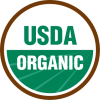
When shopping at traditional stores, which do not specialize in organic products, but may offer organic, trust the certifications. Take the time to read food labels. Organic products produced in the United States will be labeled “USDA Certified Organic”.

Organic accredited products in the USA will display the following logo:

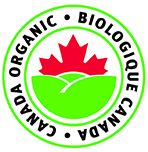
In Canada, « any food, seed or feed that is labeled “organic” on the label is regulated by the Canadian Food Inspection Agency (CFIA). Producers of these products must be able to demonstrate that the organic claims are true and not misleading and that all product specific requirements are met. All food sold in Canada must comply with the Food and Drugs Act and its regulations, as well as the Safe Food for Canadians Act and its regulations. » Source: https://www.inspection.gc.ca/produits-biologiques/reglementation/eng/1328082717777/1328082783032

Organic accredited products in Canada will display the following logo:

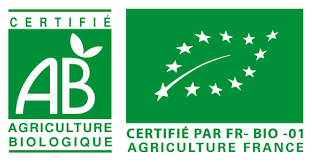
Organic accredited products in France may display the following logo:

It is important to take the time to read and know the ingredients of the products you buy. Ingredients with unpronounceable names and which contain food coloring should be avoided, as these ingredients are rarely found in nature. Some brands offer organic food, but not all are organic, so you need to read the ingredients carefully. For example, ’’Kashi ’’, offers a variety of products such as cereals and soft bars, many of which are organic. However, not all their products are 100% organic. Many companies that offer gluten-free products also use preservatives in their ingredients. So, rather than relying on brands, we must above all rely on the list of ingredients.

Let’s recap! Focus on finding a specialty health food store in your area, and find out what organic brands are available to you. Take the time to read the ingredient labels and get to know them. By using this technique, you can then ensure that the groceries you buy will be free from unnatural ingredients. If possible, buy local for your fruits and vegetables, it will reduce your carbon footprint, and you will encourage people in your area!

Filed Under: Organic food shopping tips

Eat Organic at a Reasonable Cost? Here are a few tips!

By Laindha

You have made the decision to switch to organic food, for the sake of the environment and your health. But sometimes, it can be more difficult to find them in the grocery store, the choice is more limited, and often, they are not affordable! Budgetary constraints can therefore make you doubt your convictions.

Here are some tips to help you persevere, and gently integrate this lifestyle into your daily life!

  • Take it slow: do not try to change everything in your lifestyle overnight. Inform yourself, read on the subject, look at the labels of the products you already buy. Look at what they contain as ingredients. Several of them may already be organic.
  • Watch for discounts: When you receive your grocery flyers, watch for discounts on products, including fruits and vegetables. Since organic products are more expensive in general, it is worth watching out for specials to get more for your money. If one-week, organic tomatoes are at a super discount, take the opportunity to buy more to do tomato-based recipes, for example lasagna, to freeze them for later. Canned food is convenient! Processing and freezing will save you big money!  Know the prices too. Do price checks for organic items purchased regularly. The price can vary a lot from place to place for the same product. Even from farm to farm, prices can vary a lot. Stores that sell only natural and organic foods also periodically make sales. Watch and shop!
  • Eating in restaurants regularly for work can put a strain on your budget. Try to prepare meals yourself, using good organic foods. Even just a day or two a week. It will save you big! Picnicking in the park at noon, while eating good food, is very good for the soul, it allows you to relax. Try to decrease your portions too. In general, we always eat a little too much!
  • Try to encourage local organic farmers. Many offer on-farm kiosks, and many offer a weekly fruit and vegetable basket program, delivered to your door, sometimes with seasonal produce of the producer’s choice. This will allow you to try new fruits and vegetables that you may never have tried. You will expand your food horizons! Remember that local purchases have a smaller ecological footprint than products from across the planet, even if these are organic.
  • To help you, in the United States, a tool allows you to find an organic producer near you: https://www.localharvest.org/

In Quebec, here are some tools to help you:

Family farmers: https://www.fermierdefamille.org/

Organic Quebec products: http://www.produitsbioquebec.info/

In Canada:

British Columbia: knowwhereyourfoodcomesfrom.com

Alberta: csaalberta.com

Manitoba: csamanitoba.org

Canada: ACORN organics

Ontario: Organic Council of Ontario Directory

In France:

Natureo-Bio: https://www.natureo-bio.fr/producteur/recherche/

My Organic Farm: https://ma-ferme-bio.com/fr/

My Organic Basket: https://www.mon-panier-bio.com/

My producer: http://www.mon-producteur.com/

  • Products that are complicated to prepare are not always the best! Sometimes after a grueling day, a nice, simple sandwich with whole grain bread and organic peanut butter, with a little bit of fruit jelly, can work wonders in no time! Add an apple, and you have a complete and nutritious meal at minimal cost.
  • Buying wholesale always saves money. If you have friends or family with organic food enthusiasts, come together to negotiate prices with a local producer. If you guarantee him substantial purchases each week, he might be interested in giving you discounts.
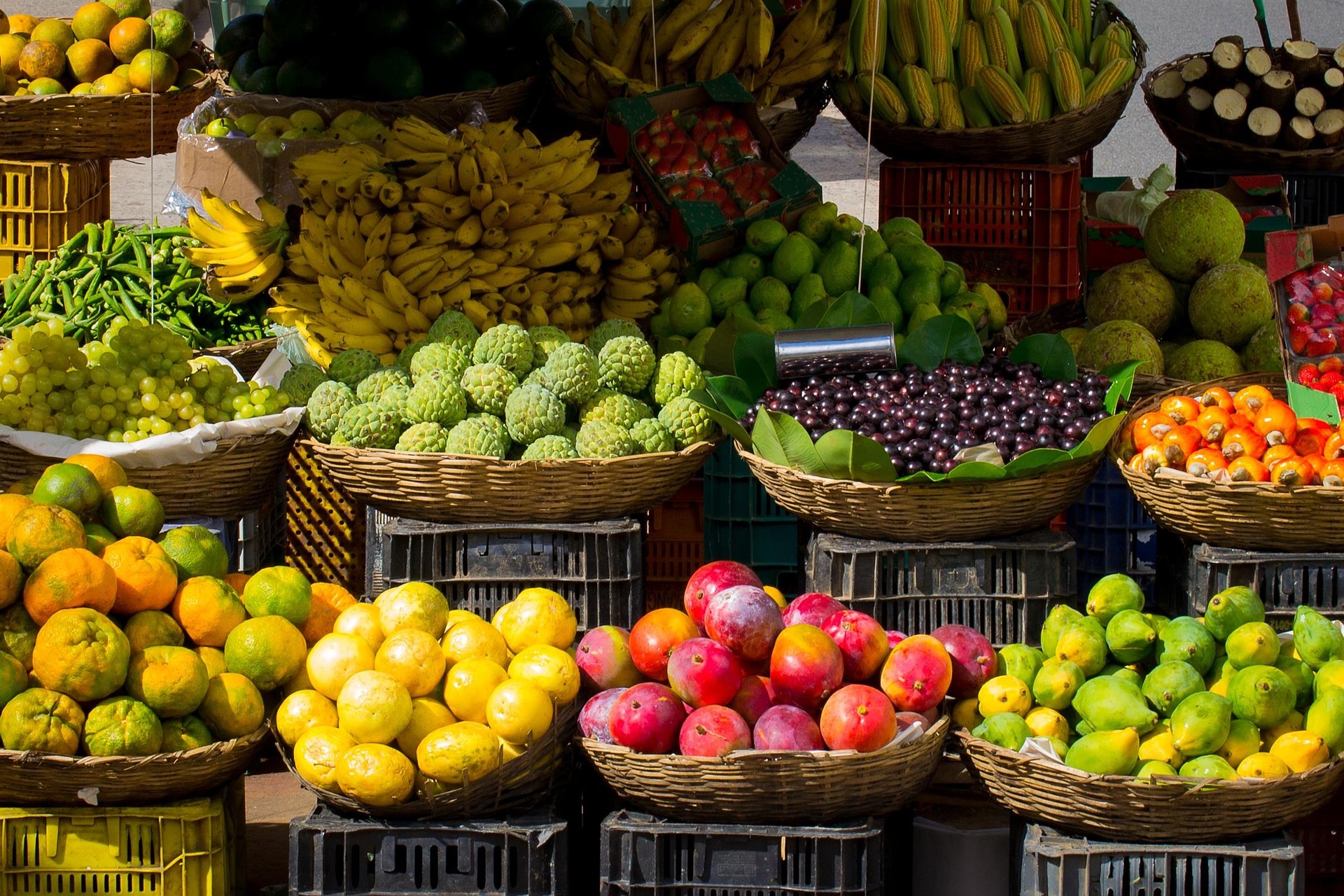
  • Buy seasonal products saves money. For example, in the spring, it is the time for fiddleheads and asparagus. In June and July, the strawberries arrive, and later in august the corn. Rather than grabbing high priced exotic fruits from elsewhere, try to focus on local, seasonal fruits and vegetables. Your ecological footprint will be smaller!
  • Grow your own vegetable garden. If you have the possibility, this will allow you to reconnect with a relationship with the land that many have lost. You will have full control over what you eat. And you will find that a good tomato that you have grown yourself, or a good fresh cucumber taken from the plane, is much better!

By observing these few tips, eating organic without breaking the bank is possible. All it takes is a little time and good will! You will gain a lot in return: better health, and a lower carbon footprint!

Filed Under: Organic food shopping tips

Live Longer With the Vegan Diet!

By Laindha

When we talk about veganism, we are talking about a diet that does not include any animal products (no meat, no fish, no egg, no milk, or any derivative of animal origin).

Among the questions that potential candidates for this way of life might ask themselves would certainly include: Why? Will I run out of nutrients and vitamins? What will this change in my diet bring to my health? Will I live longer or shorter? Will I still have so much energy to go about my daily business?

The vegan lifestyle could save your life

Several studies have been done on the impact of vegetarianism and veganism on health. However, their results are mixed. According to the website ” theconversation.com”, a study published in 2013, conducted in the United States between 2002 and 2009 on about 95 000 men and women, established that vegetarians saw their risk of dying prematurely drop by 12% (all causes), compared to non-vegetarians. Could the super foods that make up the majority of vegetarian and vegan diets explain these results?

According to other studies, such as the SAX Institute in Australia, the results would be similar between vegans / vegetarians and those who consume animal products. Beyond simple eating, what makes vegans look healthier than others? The secret is that in most studies, vegans report being more attentive to everything that surrounds a healthy lifestyle. They do not just eat better, they also smoke less than others, and are not heavy drinkers in general. They exercise more, and their lifestyle is healthier than the average person. Few are obese or overweight. All these factors reduce the risk of cardiovascular and metabolic disease, and various types of cancer. Being a vegan obviously does not guarantee that you can not suffer from these diseases. Because genetics and the environment also play a role in the appearance of different diseases but say that vegans and vegetarians put all the chances on their side!

The secret of a successful vegan diet

The secret when adopting an essentially vegan diet is the variety of foods that go into the composition of the recipes. Make sure you get all the minerals and vitamins the body needs. The proteins, vitamins and minerals found in meat can be also found in certain legumes, grains, nuts, and peanuts. Vitamin D is more difficult to find, but it can be taken as a dietary supplement. Exposure to the sun for 30 minutes a day would also provide the recommended daily dose of vitamin D.

A vegan diet will lead you to eat more fruits and vegetables. Most people on a meat diet do not eat the recommended number of servings of fruits and vegetables each day. The vegan diet does not give you the choice to eat it, as these foods form the basis of the diet. Eating vegan gives more energy and provides an irreplaceable general well-being. This lifestyle also saves the lives of thousands of innocent animals. Everybody wins!

The key? Check the labels!

Finding vegan food at your favorite supermarket you find difficult? Read the labels! Of course, grocery shopping at a health food store is easier. But nowadays, supermarkets understand people are looking for organic, vegan, and sometimes gluten-free products. They will not let this clientele slip by! Most supermarkets offer in each row a dedicated section specifically for niche products (organic, vegan, gluten-free). A vegan product can also be found on standard supermarket shelves next to other products. When reading the label, make sure that the product does not contain any added elements for storage, for example lard or gelatin.

Vegans and vegetarians who want to simplify their lives and make a real environmental difference can also get their favorite products directly from the producer. Buying local avoids truck transportation, encourages small farming businesses that produce organic fruits and vegetables, and gives the chance to consume fresh and delicious products! Some producers even offer a weekly, biweekly, or monthly subscription, where seasonal fruits and vegetables are delivered to you periodically. This method often allows you to discover fruits and vegetables that you would probably never have tasted otherwise! Your next culinary crush may be in a surprise box delivered to your home by your favorite farmer! To dare to try is to broaden your horizons!

Enjoy your meal!

Filed Under: Organic food benefits, Organic food shopping tips, Organic Foods 101, Uncategorized, Vegan Cooking, Vegan Health, Vegan News, Veganism 101

Primary Sidebar

Recent Posts

  • These Vegan Meal Delivery Services Make Plant-Based Eating Easy – Bon Appétit: Recipes, Cooking, Entertaining, Restaurants | Bon Appétit
  • Charlottesville restaurant wins national recognition for vegan soup – WVIR
  • Fully vegan Christmas market to take place in York – The York Press
  • Home
  • About
  • Affiliate Disclosure
  • Privacy Policy
  • Contact Us

Copyright © 2025 · Designed by Amaraq Websites


“CERTAIN CONTENT THAT APPEARS ON THIS SITE COMES FROM AMAZON SERVICES LLC.
THIS CONTENT IS PROVIDED 'AS IS' AND IS SUBJECT TO CHANGE OR REMOVAL AT ANY TIME.