• Skip to primary navigation
  • Skip to main content
  • Skip to primary sidebar

Sustainable and eco-responsible lifestyle

Live better and healthier for both you and the planet. Think Vegan, Organic and Cruelty Free products to change your world and the world are you. Healthy Eating for a Healthy You! Cruelty free products will change your life - Vegan, isn't this how we should all live? Welcome to Smart-Shopping

  • Home
  • About
  • The Veganism
    • Definition of Veganism
    • Veganism 101
    • Veganism and health
    • Vegan Cooking
  • The Organic
    • Definition of Organic
    • Organic Foods 101
    • Organic food benefits
    • Organic food shopping tips
  • Online Vegan, Organic & Cruelty-Free Products
  • Vegan Recipes Videos
    • Vegan Breakfast
    • Vegan Lunch & Diner Time
    • Vegan Soups
    • Vegan Desserts
  • News

Vegan Health

Live Longer With the Vegan Diet!

By Laindha

When we talk about veganism, we are talking about a diet that does not include any animal products (no meat, no fish, no egg, no milk, or any derivative of animal origin).

Among the questions that potential candidates for this way of life might ask themselves would certainly include: Why? Will I run out of nutrients and vitamins? What will this change in my diet bring to my health? Will I live longer or shorter? Will I still have so much energy to go about my daily business?

The vegan lifestyle could save your life

Several studies have been done on the impact of vegetarianism and veganism on health. However, their results are mixed. According to the website ” theconversation.com”, a study published in 2013, conducted in the United States between 2002 and 2009 on about 95 000 men and women, established that vegetarians saw their risk of dying prematurely drop by 12% (all causes), compared to non-vegetarians. Could the super foods that make up the majority of vegetarian and vegan diets explain these results?

According to other studies, such as the SAX Institute in Australia, the results would be similar between vegans / vegetarians and those who consume animal products. Beyond simple eating, what makes vegans look healthier than others? The secret is that in most studies, vegans report being more attentive to everything that surrounds a healthy lifestyle. They do not just eat better, they also smoke less than others, and are not heavy drinkers in general. They exercise more, and their lifestyle is healthier than the average person. Few are obese or overweight. All these factors reduce the risk of cardiovascular and metabolic disease, and various types of cancer. Being a vegan obviously does not guarantee that you can not suffer from these diseases. Because genetics and the environment also play a role in the appearance of different diseases but say that vegans and vegetarians put all the chances on their side!

The secret of a successful vegan diet

The secret when adopting an essentially vegan diet is the variety of foods that go into the composition of the recipes. Make sure you get all the minerals and vitamins the body needs. The proteins, vitamins and minerals found in meat can be also found in certain legumes, grains, nuts, and peanuts. Vitamin D is more difficult to find, but it can be taken as a dietary supplement. Exposure to the sun for 30 minutes a day would also provide the recommended daily dose of vitamin D.

A vegan diet will lead you to eat more fruits and vegetables. Most people on a meat diet do not eat the recommended number of servings of fruits and vegetables each day. The vegan diet does not give you the choice to eat it, as these foods form the basis of the diet. Eating vegan gives more energy and provides an irreplaceable general well-being. This lifestyle also saves the lives of thousands of innocent animals. Everybody wins!

The key? Check the labels!

Finding vegan food at your favorite supermarket you find difficult? Read the labels! Of course, grocery shopping at a health food store is easier. But nowadays, supermarkets understand people are looking for organic, vegan, and sometimes gluten-free products. They will not let this clientele slip by! Most supermarkets offer in each row a dedicated section specifically for niche products (organic, vegan, gluten-free). A vegan product can also be found on standard supermarket shelves next to other products. When reading the label, make sure that the product does not contain any added elements for storage, for example lard or gelatin.

Vegans and vegetarians who want to simplify their lives and make a real environmental difference can also get their favorite products directly from the producer. Buying local avoids truck transportation, encourages small farming businesses that produce organic fruits and vegetables, and gives the chance to consume fresh and delicious products! Some producers even offer a weekly, biweekly, or monthly subscription, where seasonal fruits and vegetables are delivered to you periodically. This method often allows you to discover fruits and vegetables that you would probably never have tasted otherwise! Your next culinary crush may be in a surprise box delivered to your home by your favorite farmer! To dare to try is to broaden your horizons!

Enjoy your meal!
Filed Under: Organic food benefits, Organic food shopping tips, Organic Foods 101, Uncategorized, Vegan Cooking, Vegan Health, Vegan News, Veganism 101

Vegan Diet Helps Protect Against Aging

By Laindha

Since the dawn of time, humans have been looking for the Fountain of Youth which will allow them to enjoy health and a youthful appearance for eternity. The aging process inevitably has its share of problems. No one likes to age and see their health decline. Cholesterol, osteoarthritis, cardiovascular disease, and diabetes are all diseases that lie in wait for us as we age. What to do to protect yourself? Adopting the vegan lifestyle is a step in the right direction!

What are the health benefits of a vegan diet?

Anti-aging, good for the heart and anti-cancer

A vegan diet is unquestionably low in fat, and rich in nutrients, as there are so many vitamins and minerals found in plants, which are not found in meat. According to a study published in the journal Critical Reviews in Food Science and Nutrition, 108 different studies combined have shown that people who follow a vegetarian or vegan diet have a lower BMI (body mass index), a lower blood sugar level, and had lower cholesterol than people who eat meat. They would also live longer.

Having a lower body mass index, along with regular physical activity, greatly eliminates the risk of cardiovascular disease, diabetes, hypertension, rheumatoid arthritis, and even cancer. It has been shown that men with early stage of prostate cancer can reverse or slow the progression of their cancer if they go on a vegan diet and eliminate all meat and dairy products from their diet. People who eliminate meat and dairy products from their diet, and replace them with plant-based, bean, whole-grain, and soy foods, greatly reduce the risk of contracting a serious illness.

Although genetics also play a role in the onset of these diseases, adopting a vegetarian or vegan lifestyle would give nature a big boost.

Beauty effect guaranteed!

A vegan diet helps to have more beautiful skin. Many vegans have found that their skin is brighter, free from conditions like acne or psoriasis. The skin looks younger and smoother. Several stars who have adopted a vegan lifestyle are simply breathtaking! We only must think of Anne Hathaway, Michelle Pfeiffer, Alicia Silverstone, Portia de Rossi or Natalie Portman. They all look younger than their age and have beautiful skin. They seem in splendid shape!

People who adopt a vegan lifestyle often do so for their health, so they are also more likely to get regular physical activity. This undoubtedly results in a healthy mind in a healthy body. The vegan diet contributes greatly to body beauty, but also to inner beauty.

Adopting a vegan lifestyle, ideally organic and eco-responsible, seems like an innocuous little gesture. We do it first for ourselves and for our health. But it is also a great gesture for the planet and the environment!

Filed Under: Vegan Health

Discover the Best Sources of Vegan Protein

By Laindha

Proteins are essential for the proper functioning of the human body, as they contribute to its growth and maintenance. Proteins strengthen muscles, repair cells, play an essential role in processes such as metabolism and digestion, and transport vitamins and minerals throughout the body.

Vegans must therefore find sources of protein in their diet that will replace meat. On the other hand, it should not be consumed too much. Diets that are too high in protein, especially meat, can lead to a drop-in calcium level. As a result, you can be prone to osteoporosis and more generally to poor bone health. A diet too high in protein can also cause kidney stress. People with kidney failure therefore need to limit their protein intake to reduce stress on the kidneys.

Some government health organizations, such as the United States government, recommend that we consume a minimum of 0.8 grams of protein per kilogram of body weight per day. This equates to about 0.36 grams of protein per pound of body weight. For easier calculation, calculate around one gram of protein per kilogram of body weight per day, the 0.8 grams being a minimum. It is about 15% of a normal person’s daily calorie intake. Using a gram instead of 0.8 grams is therefore a safe estimate for most people.

Pregnant or breastfeeding women, as well as athletes, have higher protein requirements. It is therefore recommended, if this is your case, to see a qualified nutritionist, who can help you properly calibrate your diet according to your needs. In general, vegetable protein sources contain fewer calories than protein from meat.

So, here’s a list of great sources of vegan protein:

Beans

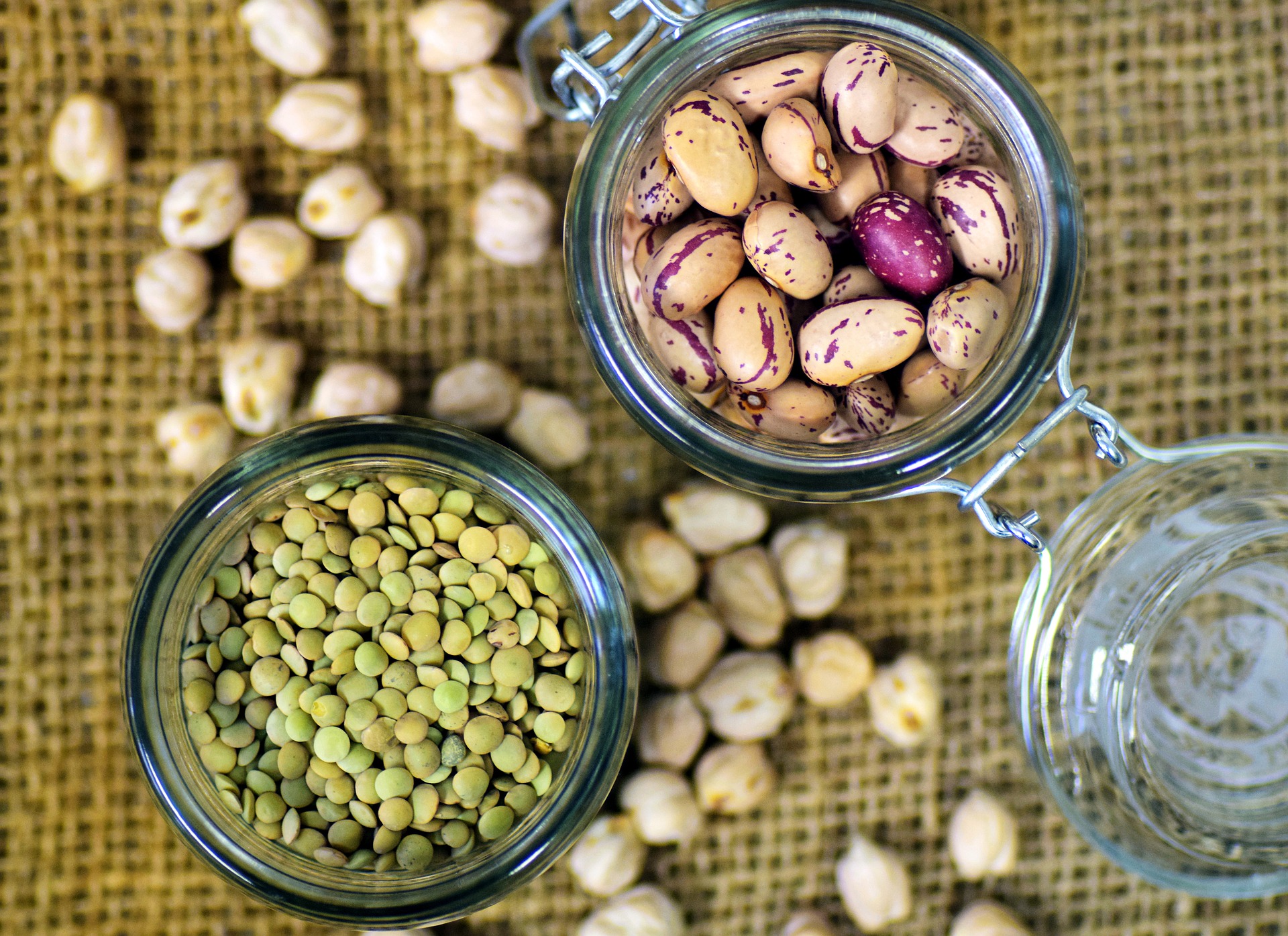
Beans are part of legumes, which are edible seeds. These are the seeds of Fabaceae plants that are harvested when they are in pods. There are many varieties of beans on the market, and these are equivalent in protein value, about 6 grams per half cup. Lentils, which are also part of legumes, contain 9 grams of protein per half-cup serving.

Nuts and peanuts

The nut family offers an excellent concentration of protein. One ounce serving of nuts has a protein content ranging from 2.25 grams (macadamias) to 6.7 grams (peanuts, which are classified as legumes). Most nuts provide between four and six grams of protein per one ounce serving. They also have a high fat content. But these are good fats because they help lower cholesterol. But as they are very caloric, you should not abuse them! The nuts can be eaten whole and raw, roasted, or in the form of nut or peanuts butters. Avoid salted nuts and peanuts, as they are less healthy due to their high sodium content.

Seeds

Pumpkin seeds contain 8.5 grams of protein per one ounce serving. Flax seeds, which are a good source of omega-3 fatty acids, contain 1.9 grams of protein per one tablespoon serving. It is recommended to grind the flax seeds, because the absorption of nutrients by the digestive system is then easier. It is possible to buy pre-ground flax seeds. One tablespoon of sesame seeds contains 1.6 grams of protein, and one ounce of sunflower seeds provides 5.5 grams of protein. Choosing a bread that contains these grains is therefore an excellent healthy choice. You can also sprinkle your vegan yogurt with these grains or incorporate them into your recipes.

Tofu

Tofu is made from soybeans. It is found on the market in several aspects. Solid tofu can be cut into cubes, marinated, and used in casseroles. Silky tofu can be mixed with dips or smoothies. Both the solid and the silky can be incorporated into countless recipes. A half-cup serving of tofu contains 11 grams of protein, for just 100 calories. Tofu is often used to imitate meat. Prepared with certain spices, the sans ’minced meat’ ’can be easily used in a delicious spaghetti sauce. There is soy yogurt, tofu hot dog sausages, dumplings, and even desserts made with tofu. All these products are an excellent source of protein.

Soy, almond, rice, and oat milk

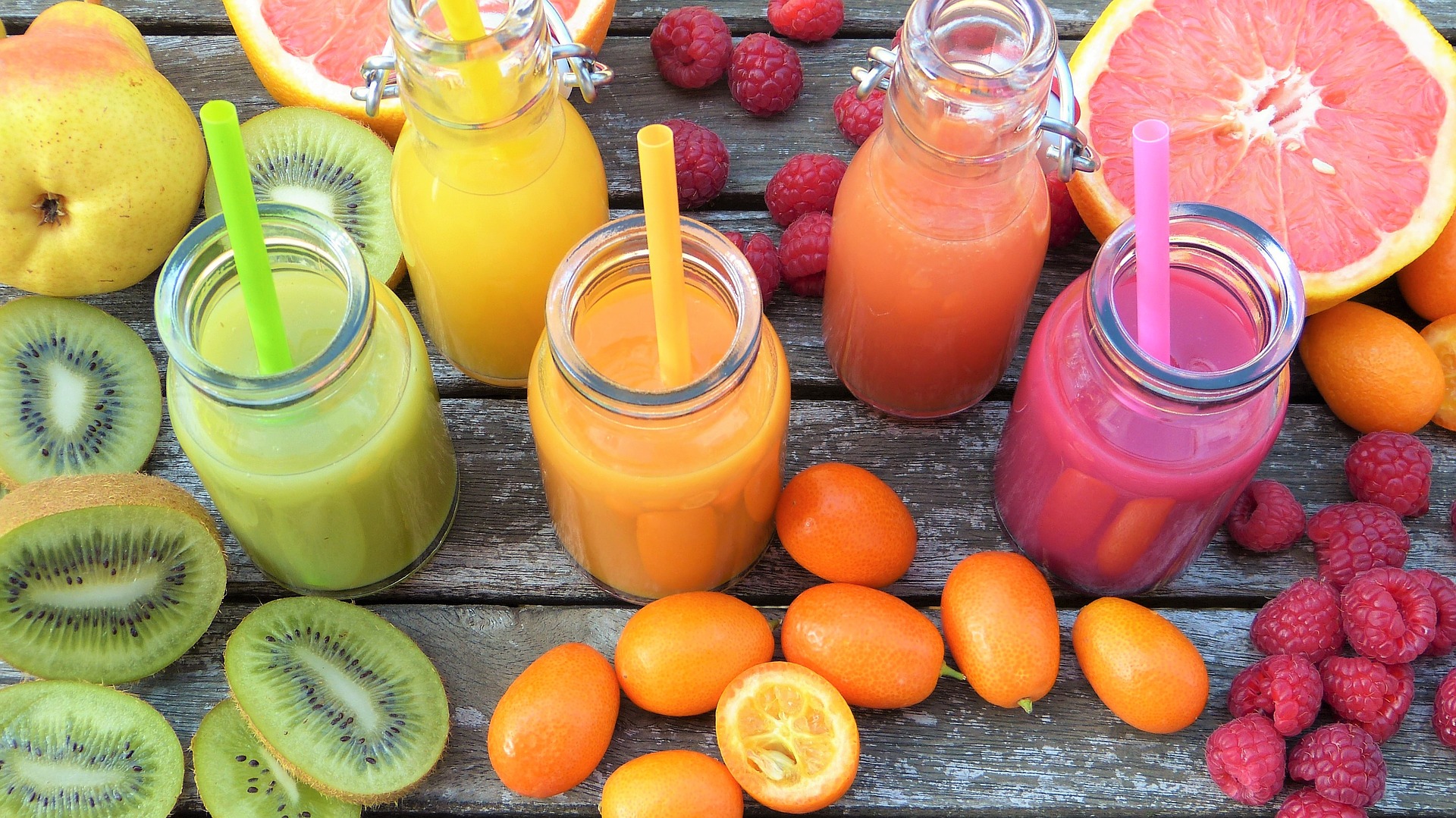
Soy and almond milk contain a lot of protein, vitamins, and calcium because, like cow’s milk, they are fortified. One cup of soy milk contains 7 grams of protein. Average almond milk contains about 8 grams of protein per one-cup serving. Rice milk provides a more modest amount of protein, and oat milk offers slightly more protein than rice milk. As the choosing a vegan milk is often a matter of taste, read the product labels to find out their nutritional value. Vegan milks can easily be incorporated into your smoothies to improve taste and nutritional value.

Tempeh

Tempeh (pronounced TEM-pay) is made by combining fermented soybeans with a grain, such as barley or rice. It is much firmer than tofu and has a slightly acidic flavor due to fermentation. We use it in recipes, steaming it for 20 minutes. Tempeh can be used in stir-fries and many other dishes. It contains 17 grams of protein for a four-ounce serving.

Seitan

Seitan (pronounced SAY-tan) is also called wheat gluten, or sometimes wheat meat. It is made from wheat protein. It is a thick, fluffy product, making it an excellent meat substitute. A four-ounce serving of seitan contains 26 grams of protein and 160 calories. Seitan can be purchased ready to use, but you can also make your own seitan at home.

Quinoa

An older, recently “rediscovered” grain, quinoa (pronounced keeno-WAH) offers 8 grams of protein in a 1-cup serving (cooked).

Other whole grains

Many grains also offer excellent protein content. Of these (per pre-cooked half cup):

Amaranth: 7 grams of protein

Barley and buckwheat: 5.7 grams

Milet: 5.7 grams

Oats: 6.5 grams

Wild rice: 6 grams

Brown rice: 3.7 grams

Two slices of whole wheat bread provide 5 grams of protein.

Vegetables

Even though they are not generally considered to be great sources of protein, vegetables contain enough to make a significant contribution to our diet. One cup of cooked broccoli contains 4 grams of protein; a medium potato contains 4, and a cup of cooked peas contains 9 grams of protein. Several other vegetables have a relatively high protein content, such as mushrooms, cauliflower, spinach, and corn. Even cucumbers and carrots contain a little protein.

For a vegan person, it is advisable to combine a good variety of foods in a day and during the week to obtain the proteins, nutrients, and amino acids essential for the maintenance of good health.

It is relatively easy for the average person with normal nutritional needs to get all the protein they need from vegan food sources. Favoring vegan proteins is to favor a cruelty-free diet, but also healthier!

Article Source: http://EzineArticles.com/?expert=Valerie_Toizer_Bloom

Filed Under: Vegan Health

Primary Sidebar

Recent Posts

  • These Vegan Meal Delivery Services Make Plant-Based Eating Easy – Bon Appétit: Recipes, Cooking, Entertaining, Restaurants | Bon Appétit
  • Charlottesville restaurant wins national recognition for vegan soup – WVIR
  • Fully vegan Christmas market to take place in York – The York Press
  • Home
  • About
  • Affiliate Disclosure
  • Privacy Policy
  • Contact Us

Copyright © 2025 · Designed by Amaraq Websites


“CERTAIN CONTENT THAT APPEARS ON THIS SITE COMES FROM AMAZON SERVICES LLC.
THIS CONTENT IS PROVIDED 'AS IS' AND IS SUBJECT TO CHANGE OR REMOVAL AT ANY TIME.